


Menu
Cart
Orsay Museum tickets and tours

Orsay Museum tickets and tours

Price (per adult)

Pickup at Hotel

Tickets option

Categories

Activity languages

Tours and tickets for Orsay Museum

12 Experiences
Sort by:
AI powered Beta

Smart picks

Get personalised picks that match your interests

0/500

Example: 'Skip-the-line tickets to visit La Pedrera in Barcelona with audio guide under 70 euros.'

AI powered Beta

Smart picks

Get personalised picks that match your interests

0/500

Example: 'Skip-the-line tickets to visit La Pedrera in Barcelona with audio guide under 70 euros.'

AI powered Beta

Smart picks

Get personalised picks that match your interests

0/500

Example: 'Skip-the-line tickets to visit La Pedrera in Barcelona with audio guide under 70 euros.'

France
4.7/5(2339)

Orsay Museum inside story

If you’re looking for an art museum that will transport you to a world of beauty, history and culture, look no further than the Musée d’Orsay in Paris. This magnificent museum is home to some of the most influential artworks in the world, showcasing epoch-defining styles and movements that span the years from 1848 to 1914 – possibly the most transformational in the history of art. 

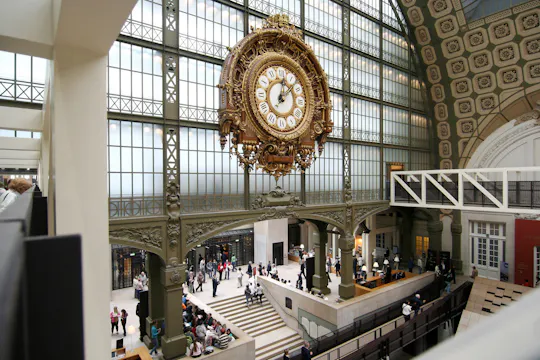
From impressionism to post-impressionism, from realism to symbolism, the Musée d’Orsay is a showstopper. Whether you’re an art lover or simply curious about the world of art, you’ll find something to inspire and enchant you here. What’s more, the museum’s location in a bright and airy converted beaux arts train station really brings home the optimism and dynamism of a period the French call the Belle Époque, or ‘beautiful era’.  

But the beauty of the Musée d’Orsay doesn’t stop there. You’ll also find sculptures by Rodin, including The Thinker, and intricate decorative arts, such as a collection of Art Nouveau furniture and objects. 

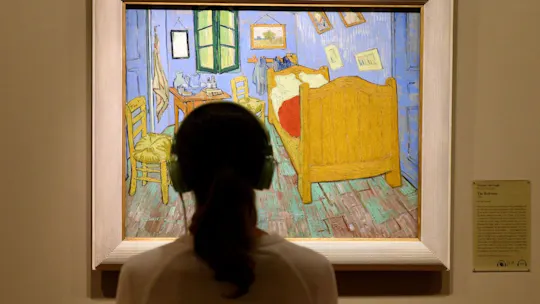
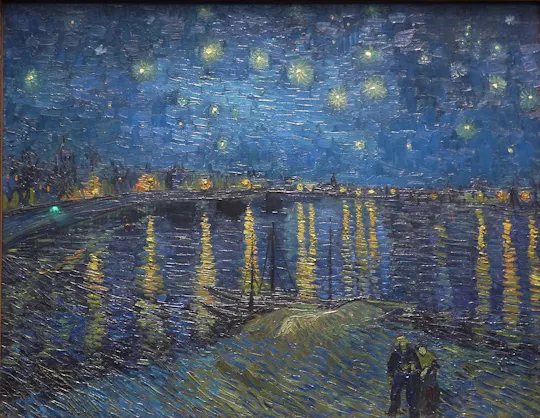
While the majority of the works are by French artists, others such as Klimt and Munch get a look in. Some of the most famous artworks at the Musée d’Orsay include van Gogh’s Starry Night Over the Rhône, Renoir’s Dance at Le moulin de la Galette and Manet’s Luncheon on the Grass. 

Things to know before you go 

  • Admission is free for children under 18 and for EU residents under 26. 

  • The Musée d’Orsay is accessible to visitors with disabilities, with wheelchair access and assistance available on request. The museum also offers guided tours for visitors with hearing or visual impairments. 

  • Photography is allowed in most areas of the museum, but the use of flash or tripods is prohibited. 

  • Visitors are asked to respect the artwork and refrain from touching any of the pieces.  

  • Food and drinks are not allowed in the galleries, and smoking is prohibited on museum grounds. 

Opening hours of the Musée d’Orsay 

Tuesday to Sunday – 09:30 to 18:00, with late opening until 21:45 on Thursdays.  

How to get there

The Musée d’Orsay is located in the 7th arrondissement of Paris, on the left bank of the River Seine. The address is 1 Rue de la Légion d’Honneur, 75007 Paris, France. 

By Metro – take line 12 to Solférino station, which is located right in front of the museum. 

By RER train – take line C to the Musée d’Orsay station, which is located just a few steps from the museum entrance. 

By bus – lines 24, 63, 68, 69, 73, 83, 84, 94, and 95 all stop near the museum. 

Get ready to visit Orsay Museum

The Musée d’Orsay holds the world’s greatest collection of 19th-century art, so you’re spoilt for choice.  

The Starry Night Over the Rhone, by Van Gogh, is perhaps the most reproduced masterpiece of post-impressionist art. 

The Thinker is one of Rodin’s most famous sculpture and is a symbol of philosophy and intellectualism. 

If you have limited time, a guide will allow you to get so much more from your visit. It’s spread out over five art-packed levels, so your guide will ensure you get a good overview without missing any of the major works. 

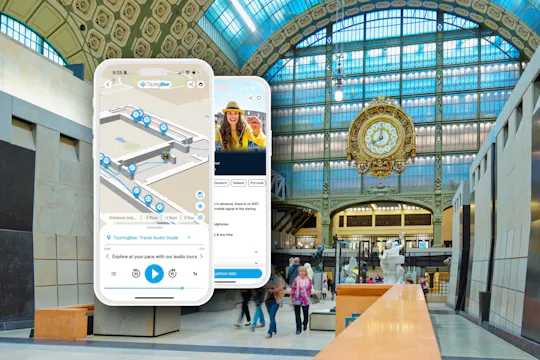
You can pick up an audio guide for an extra few euro. Commentary on more than 300 works is available in English, French, German, Chinese, Korean, Spanish, Italian, Japanese, Portuguese and Russian.  

As a rough guideline, you should allow yourself at least 2-3 hours to see the museum's highlights and get a sense of its collections. If you’re an art lover or enthusiast, you may want to budget more time 

Keep in mind that the Musée d'Orsay can get quite busy, especially during peak tourist season, and queues for admission and security checks can be long. So, it's a good idea to arrive early in the day or consider purchasing skip-the-line tickets in advance to save time. 

The Musée d’Orsay opens at 09:30, so arriving shortly before opening can be a good option to avoid the biggest crowds. The best time to visit is during low season, which is generally from November to March. During these months, the number of visitors is lower, and you can explore the museum’s collections without the crowds. For a visit in high season, which is from April to October, it’s best to book your tickets in advance and visit the museum during the early morning or late afternoon when it is less busy. 

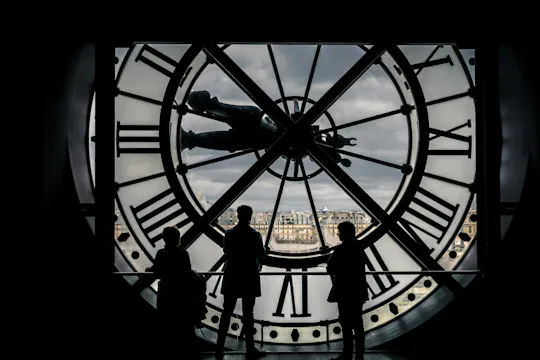
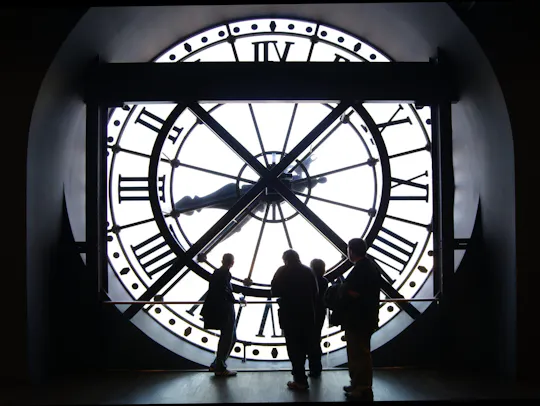
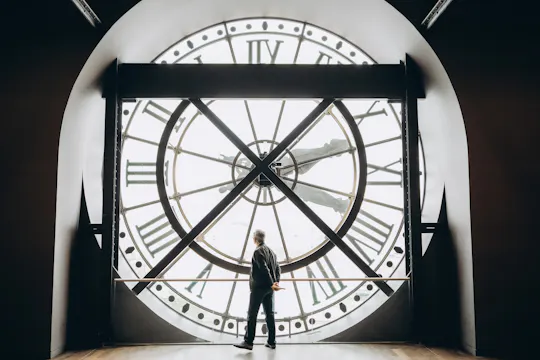
At the top of the main central gallery on the fifth level there’s a glass and brass clock designed by French clockmaker and sculptor Victor Laloux. Considered a masterpiece of Art Nouveau design, it offers views of Sacré-Cœur Basilica on Montmartre in the distance. An ideal spot for taking a selfie of an iconic Parisian landmark.  

Frequently asked questions about Orsay Museum