

The culmination of the Second Anglo-Dutch War, a naval conflict between England and the Dutch Republic over control of global trade routes and colonies in Asia, Africa, and the Americas, was marked by the Peace of Breda in 1667. The war, driven by economic pressures and shifting alliances, eventually led both sides to the negotiation table after enduring years of maritime strife, offering a unique way to explore Breda through one of its defining historical moments.
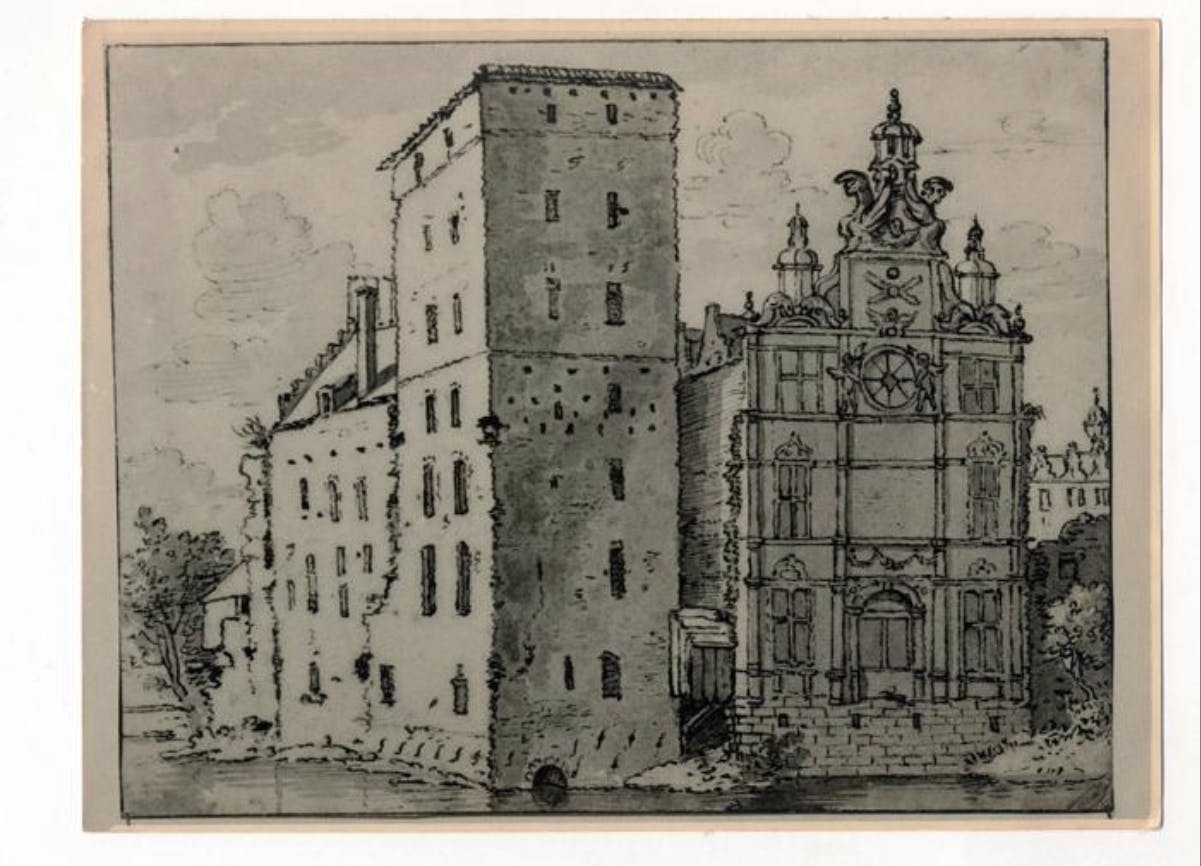
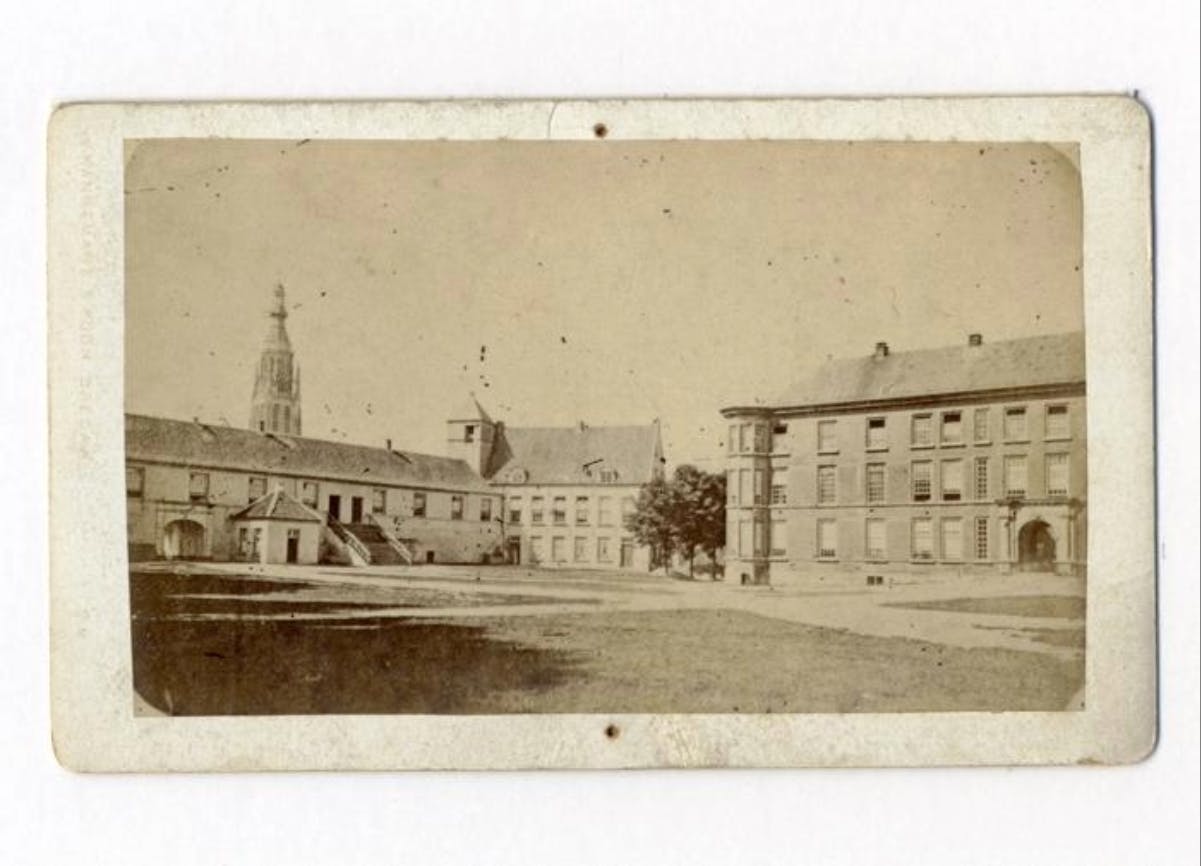
Breda was selected as the negotiation site due to its fortified position and political neutrality. Its familiarity to the English king, who had previously resided there during his exile at a castle linked to the Orange-Nassau family, also played a part in this choice.
Following significant naval developments, including a decisive Dutch attack near Chatham, negotiations progressed swiftly, leading to a treaty within a brief period. This agreement effectively divided overseas territories between England and the Dutch Republic, thereby reshaping control of trade routes and colonial regions worldwide.